AI in Healthcare: Can We Multiply Access to Expertise?
When people talk about AI in healthcare, the conversation often jumps immediately to futuristic topics; AI diagnosing diseases, AI replacing doctors and AI-powered virtual hospitals. The reality is both less dramatic and more powerful.
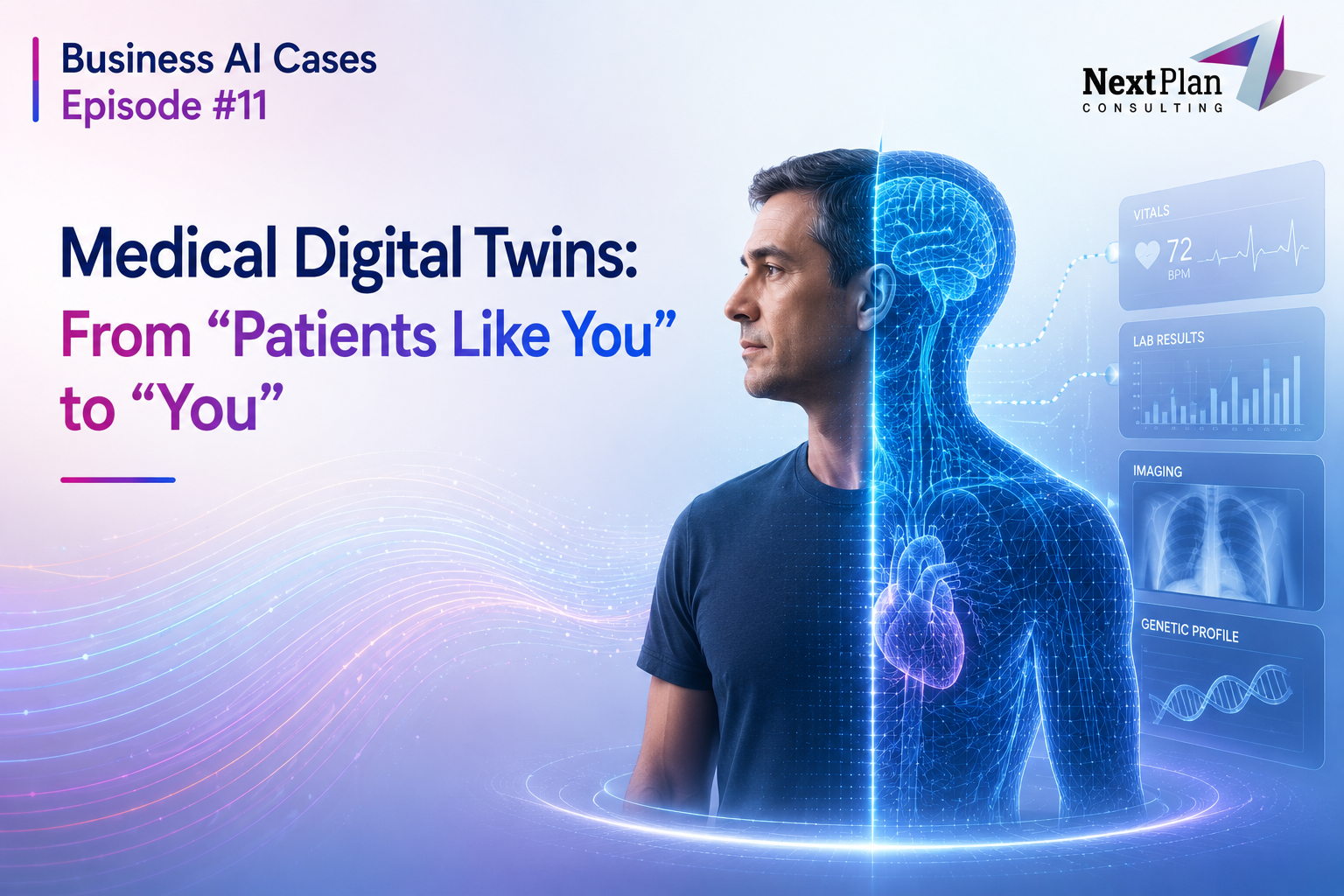
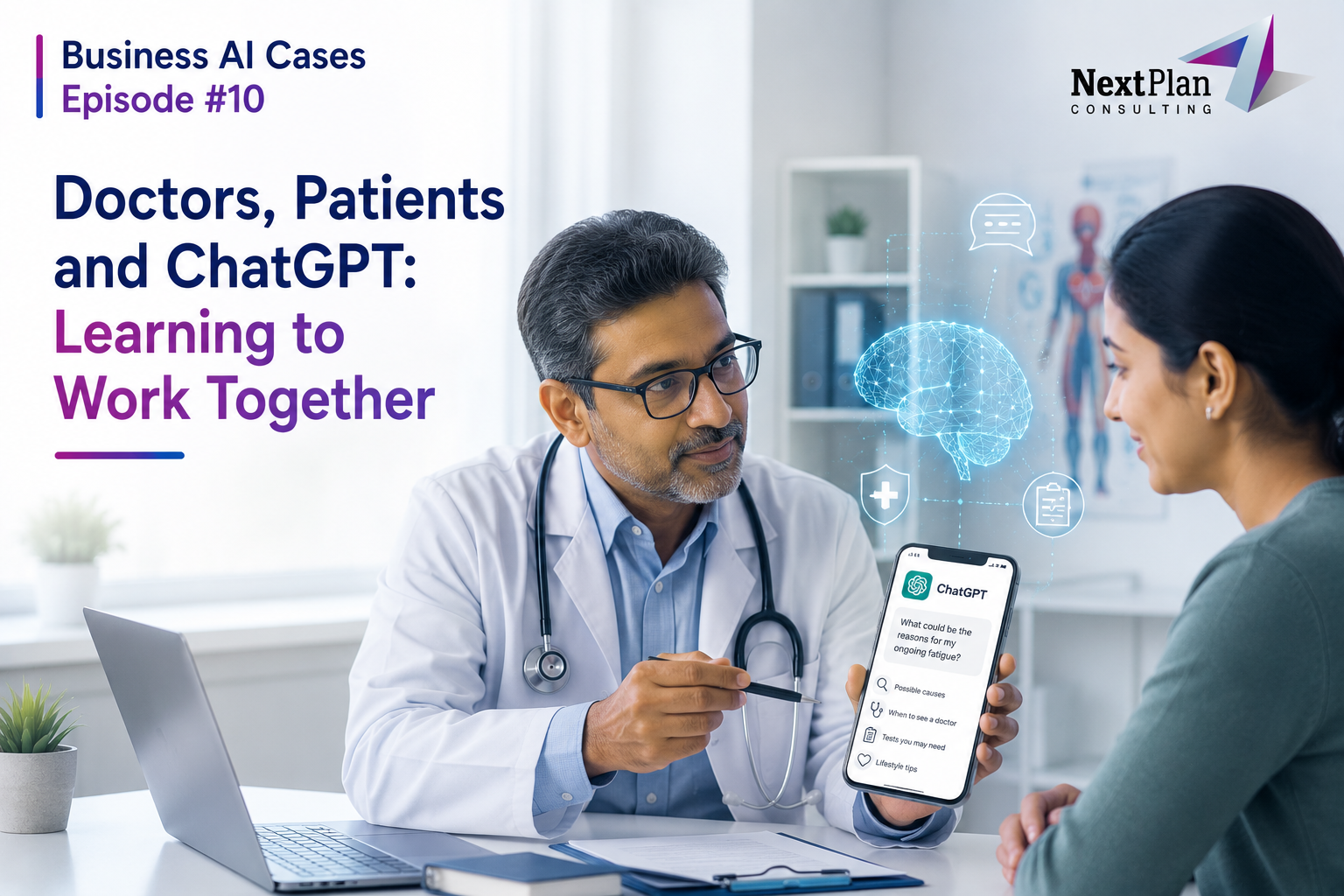
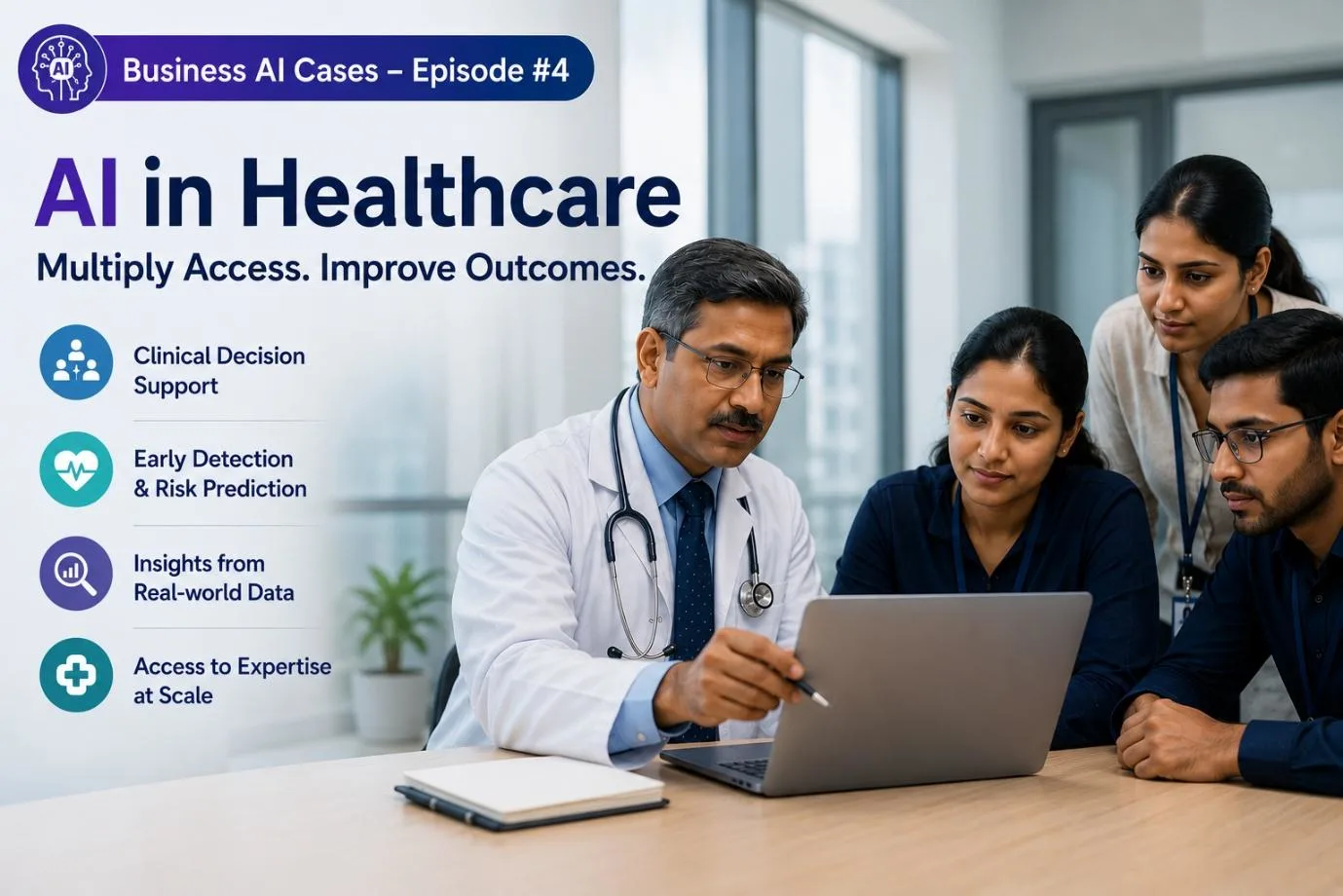
The most meaningful applications of AI may not be about replacing healthcare professionals. They may be about helping millions more people gain access to expertise that is currently scarce. This is where Artificial Intelligence can make a difference. Today, AI is already being applied across healthcare in multiple ways: early disease detection from medical images, Predicting patient progress, Clinical decision support, Drug discovery, Personalised treatment recommendations and medical documentation support to name a few.
But one application particularly caught our attention while listening to Stanford Medicine’s work on AI. It is called the “Green Button” project. Imagine a physician treating a complex patient and wondering: “Have we seen similar patients before?” Traditionally, answering that question might require extensive literature review, consultation with colleagues, or time-consuming research. The Green Button concept uses aggregated patient data to identify similar historical cases and provide evidence-based insights on demand. In effect, it gives physicians access to the collective experience embedded in large healthcare datasets.
This points to a broader principle. The most valuable role of AI may not be generating answers. It may be democratizing expertise. And that principle extends far beyond physicians. Imagine: A rural health worker gaining access to specialist guidance, A nurse receiving early warnings about patient deterioration, A family caregiver obtaining evidence-based support, A doctor instantly learning from thousands of similar patient journeys. The multiplier effect can be enormous.
Another related and interesting concept is “OpenEvidence” that operates as a medical search engine and AI assistant for clinicians, designed to address the challenge of information overload in healthcare. It collects and organizes data from leading medical journals and organisations and provides recommendations using AI at the back end. While OpenEvidence and Green Button use different inputs, they would be both great examples of how data science and AI can benefit practitioners in delivering better care.
The future of healthcare AI may not be defined by machines replacing doctors. It may be defined by technology helping healthcare expertise reach far more patients than ever before. And that could become one of the most important healthcare innovations of our time.
We aim to empower healthcare sales and marketing professionals through comprehensive training, strategic consulting, and actionable insights. By harnessing our collective expertise, we help our clients navigate challenges, build on opportunities, and help achieve their business objectives.
Vision
To be the trusted partner for healthcare organizations, inspiring excellence and driving impactful changes in sales and marketing capabilities.